Portable Toilets on Rent for Outdoor Festivals in East Bridgewater
Outdoor festivals in East Bridgewater are the kind of events people talk about long after the last band plays. They are also the kind of events that expose every weak spot in planning, especially when the crowd grows and the weather turns humid or rainy. One of the most overlooked pieces, right up until it becomes a problem, is sanitation.
Portable toilets are not just a convenience. They are part of safety, crowd flow, and sanitation planning. If you do it well, guests barely notice them. If you do it poorly, you get long lines, complaints about cleanliness, and a scramble that nobody enjoys.
I’ve set up sanitation plans for events where the difference between a smooth day and a rough day came down to choosing the right number of units, placing them correctly, and having a service plan for the moments that always show up, usually right when the festival is busiest. This guide is written for that reality, with practical details for porta potty rental East Bridgewater and the decisions that actually matter onsite.
What “portable toilets on rent” really means for a festival
When people say they need portable toilets to rent, they often picture a single delivery, a couple units placed near the entrance, and done. Real festival operations are different. The units need to match the duration of the event, the expected attendance, the layout of the grounds, and the way people move through the space.
A portable toilet rental companies team is typically handling more than dropping off boxes. A dependable provider coordinates delivery windows, location guidance, restocking of supplies, pump outs as needed, and pickup. For longer events, the frequency of servicing matters. For events with high foot traffic, the handwashing situation matters. For events with community members who need accessible options, ADA-style units matter.
East Bridgewater festivals also have a weather personality. You can get sharp shifts in temperature and humidity, and rain can change ground conditions quickly. If the site is soft or uneven, placement and leveling become more than convenience. They affect stability, drainage, and odor control.
Choosing the right unit types, not just the count
“Portable toilet rental” can cover a range of unit styles. Some events are fine with standard porta potties. Others need a mix, especially if you have VIP areas, family zones, or accessibility requirements.
Most rental setups include standard portable toilets, and many providers also offer enhanced options. That may mean upgraded ventilation, better interior surfaces, or units designed to feel more comfortable for longer waits. The exact naming varies by company, but the goal is consistent: keep restroom access realistic and reduce the chance that a guest leaves the festival because they cannot find a usable option.
If you’re planning for an emergency portable toilet rental situation, you need flexibility. Sometimes you end up short due to last-minute changes in attendance or because a venue rule limits where other sanitation can be installed. In those cases, the best rental plan is one that can add units quickly and service them without turning your event into a logistical headache.
For teams that want a steady, professional setup, many organizers look at Premier Portable Potties for event-ready rentals, especially when they value communication and dependable service scheduling. The right provider experience can show up in small ways, like confirming delivery access and giving clear placement guidance rather than leaving you to guess.
Estimating how many portable toilets you need
The hardest part is not ordering units, it’s estimating demand. If you under-order, you end up with lines and complaints. If you over-order, you waste budget and still do not solve the real issue if placement is wrong.
There isn’t one universal formula that works for every festival because behavior changes. Attendance spikes between acts, people tend to drink more at outdoor evening events, and families may use restrooms more frequently than groups of adults. A festival with alcohol service will often have higher restroom demand than one without.
So rather than chasing a single “magic number,” think in terms of capacity and flow:
- Your peak-time usage is what creates lines.
- Your placement determines whether people will walk to the closest usable unit.
- Service cadence determines whether toilets stay clean during the busiest hours.
A common planning approach is to start with an attendance-based baseline, then adjust for factors like event length, expected drink sales, and whether you are serving a family-friendly crowd. If you anticipate a large peak, it’s often smarter to add a bit more capacity than you think you need, because queues compound. People who see a line keep walking, and that pushes more demand toward the remaining units.
If you’re unsure, talk to your portable toilet rental companies contact early. A good team will ask questions about event hours, estimated attendance, the venue layout, and how many restroom locations you can support. That conversation often leads to a better estimate than trying to do it alone with a generic assumption.
Placement: where portable toilets live affects everything
Placement is one of those details that seems minor until the day of the event. If you put units too far from the main footpaths, you’ll increase crowd friction and reduce compliance. If you cluster units in a way that creates a bottleneck, you’ll cause long lines at a single location even if you have enough units overall.
A good setup balances three priorities: accessibility, visibility, and drainage. Units should be easy to find without being hidden behind structures. They should be located with safe pedestrian access, including for people moving slower or using mobility aids.
Also think about the ground. Festival sites can have grass, packed soil, or temporary flooring. Portable toilets need stable placement. If the site is prone to muddy conditions, you may need leveling mats or careful positioning. A service team that has done events in the area can anticipate what the ground will do once foot traffic and weather hit.
Finally, consider prevailing wind direction. Odor control is not magic, but placement and proper service can keep complaints from escalating. If the units sit downwind from a food area or a main gathering zone, people notice. If they sit out of the primary airflow, even decent servicing feels better.
Delivery, site access, and the “small” problems that stop service
The best planning can still get derailed by a delivery issue, especially when festival logistics involve vendors, temporary roads, and tight access points.
When a provider schedules delivery, they typically need:
- A clear path for the delivery vehicle
- Enough space to stage units before final placement
- Confirmation of whether there are any height restrictions or gate requirements
If you’ve ever tried to move heavy equipment through a crowded venue, you know how quickly things go sideways. Plan for a delivery window and make sure the onsite contact is available. If the person who can approve placement is “somewhere on site,” service teams lose time and you lose the chance to fix problems before guests arrive.
For emergency portable toilet rental scenarios, access issues get even more important. When the clock is ticking, you cannot afford to discover that your planned placement is blocked by a vendor tent or that the route to the site is not suitable for the delivery vehicle.
Servicing during the festival: keep it clean when it matters
A lot of guest complaints come from the gap between when the toilets are delivered and when servicing occurs, especially during peak hours. If your event is a full day or runs into the evening, plan for servicing frequency based on expected use.
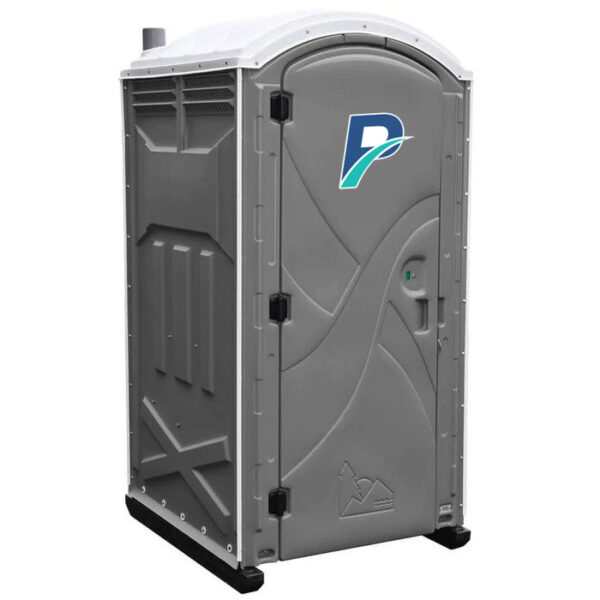
Service might include restocking supplies and cleaning, along with pumping out waste as needed. The right cadence depends on your unit count, the crowd intensity, and how quickly toilets fill during peak periods. Even if the units look fine at the start, usage patterns can shift after the middle of the day. People may pack into a certain restroom zone because of lines, and that creates uneven wear.
This is where working with a reliable provider matters. A portable toilet rental plan should not leave you guessing when the units will be checked. If you have a long event, confirm the servicing schedule upfront. If your event’s attendance rises unexpectedly, ask what the provider can do if you need additional units or more frequent checks.
On rainy days, servicing needs can rise too. Wet conditions sometimes affect how guests interact with the area around the units, and any delay or spill becomes more noticeable. A professional team accounts for that, rather than treating it like a minor inconvenience.
Handwashing and hygiene expectations
Portable toilets handle waste, but guests still need a clean way to wash or sanitize hands. Some festivals set up stations near the restroom area, and others rely on what the provider includes or what the venue already provides. Either way, this is part of the overall restroom experience.
I’ve seen events lose goodwill not because the toilets were unusable, but because the restroom area felt incomplete. Guests can deal with minor discomfort, but they want basic hygiene. If you are serving food vendors, this becomes even more important because hygiene expectations rise sharply.
If you have budget constraints, prioritize hygiene in the restroom zone. A small investment in handwashing solutions near portable toilets can reduce complaints more effectively than squeezing extra units into the same footprint.
Accessibility and ADA-style planning
Festival organizers sometimes postpone accessibility planning until the last minute, which is risky. Accessible sanitation should be treated as part of your primary restroom plan, not an afterthought.
Accessible units serve guests who use mobility aids, people with limited mobility, and others who need a different interior layout. The key is that access needs to be safe. That means the route from main paths to the restroom area should be navigable, and the surrounding ground should not become a hazard during rain or heavy foot traffic.
If your festival expects families or a broader event porta potty rental age range, accessibility planning becomes even more important. In portable toilets on rent practice, accessible units also reduce strain for people who would prefer a less cramped restroom experience.
If you are unsure about what options you need, your portable toilet rental companies contact can typically help you map out the right mix. The earlier you ask, the easier it is to secure the units you want.
The operational side: who owns the restroom area?
On festival days, sanitation becomes a shared responsibility. Even when you rent the units, someone onsite must monitor the restroom area. That doesn’t mean someone stands there all day. It means you set expectations with your staff and volunteers about what to watch for.
Common issues include:
- Supplies running low in busy periods
- Trash around the restroom entrance
- Mud or pooling near the unit placement
- A blocked path that makes lines worse
If you have a dedicated operations lead, assign them to restroom oversight. A simple reporting flow works well: if something looks off, it gets flagged and the provider is notified. This kind of coordination is one reason professional portable toilets on rent programs can feel “hands-off” for organizers, even though they still require onsite awareness.
A practical planning conversation you should have with your rental provider
If you’re contacting Premier Portable Potties or another provider for porta potty rental East Bridgewater, you want clarity, not a sales pitch. You want to know how delivery and service will work for your specific site.
Here are the questions that consistently move events toward a smooth outcome:
- How many portable toilets do you recommend for my estimated attendance and event hours?
- What servicing schedule do you provide during the event, and how is it adjusted if usage spikes?
- Can you advise on placement for traffic flow and odor control based on my site map?
- What accessibility options do you have, and what kind of route or ground conditions do you require?
- What is the process for an emergency portable toilet rental add-on if we run short?
Answering these well is a sign of a provider that actually runs events, not just deliveries.
Weather and ground conditions in East Bridgewater: plan for reality
Outdoor festival sites can turn unpredictable. Even when the forecast looks stable, overnight conditions and midday humidity can change the feel of the ground and the way people move.
If your site is grassy and gets wet, units may need stabilization. If your site is hard-packed, placement might be straightforward, but you still need to plan for drainage around the restroom area. If you are using temporary flooring, confirm that the restroom area can support access and does not create a slippery route.
I’ve worked events where rain didn’t ruin the festival, but it did make the restroom area feel “worse” even when the units were serviced. People track mud into the area, and it becomes harder to keep the entry points clean. That’s why restroom area supervision and a quick response to spills matters.
If you’re planning for a festival with uncertain weather, build in a little buffer to your restroom plan. You may not need more units, but you might need more frequent checks and a slightly more robust hygiene setup.
When things go wrong: realistic failure points (and how to reduce them)
Sanitation issues tend to show up in patterns. Sometimes the problem is simply that demand outpaces supply at peak times. Other times, the units are fine but the area around them becomes unpleasant or unsafe.
Here are a few failure points I’ve seen, along with how organizers can reduce the risk:
The line forms because the only usable unit location is too close to the main bottleneck. The fix is often placement adjustment or additional units spaced across the grounds so people distribute naturally.
Supplies run low after a busy segment. The fix is scheduling and confirming restock service during your most intense hours.
Complaints rise because the restroom area feels disconnected from the rest of the festival. The fix is wayfinding, lighting if applicable, and ensuring the restroom zone is visible but not intrusive.
An emergency add-on becomes necessary because the crowd estimate was low. The fix is reserving a path for rapid adjustment, which is where an emergency portable toilet rental option matters.
If you’re planning early, it’s easier to prevent these problems than to solve them mid-event.
A day-of checklist that prevents last-minute chaos
Even when you trust your rental partner, you still want a quick onsite plan. The goal is to prevent confusion at the moment guests arrive and to confirm that placement and access match the plan.
Use this as a lightweight day-of reminder:
- Confirm delivery access, staging space, and the final placement locations with your onsite lead.
- Ensure the restroom area has safe pedestrian access and clear visibility from main walkways.
- Verify handwashing or hygiene stations are stocked and placed near restroom access points.
- Assign a staff member to monitor restroom area cleanliness and report issues quickly.
- Confirm the provider’s servicing schedule and emergency contact method for adjustments.
This is not about micromanaging. It’s about giving your operation a short runway that keeps the festival running.
Cost considerations: what changes the price
Pricing varies based on unit type, duration, servicing frequency, and site complexity. It also depends on whether you’re booking a straightforward event versus an urgent or last-minute request.
When cost comes up, people often focus on unit count, but the bigger drivers usually are:
- How long the units will be needed
- How many servicing visits are included
- Accessibility and enhanced unit options
- Delivery and pickup timing requirements
If you are comparing quotes from different portable toilet rental companies, ask what is included. Some providers include more frequent checks, some include additional supplies, and some structure service differently for longer events. Two quotes can sound close on paper but diverge sharply once servicing and onsite responsibilities are clarified.
If budget is tight, consider a mix approach rather than one-size-fits-all. For example, standard units may handle most guest flow while accessible or enhanced units support specific zones. The goal is to create a restroom system that feels fair and functional.
Planning for different festival types
Not every outdoor festival behaves the same. A one-day family fair is different from a multi-act music festival, and corporate events have their own expectations.
Music festivals often have high peak usage between sets. That can make restroom lines feel worse than the numbers suggest, because people arrive at the same time for a performance. In those cases, spreading units and ensuring servicing during the transitions can matter more than simply adding more toilets at a single location.
Food-heavy events increase hygiene expectations. Guests may be more sensitive to the restroom zone feeling “dirty,” even if the toilets are actually serviceable. Pairing restroom placement with handwashing access can reduce friction.
Community events with broader age ranges benefit from accessible options being part of the primary setup. If accessible units are tucked away or hard to reach, they might as well not exist, and guests notice.
The best portable toilets on rent plan matches the behavior of your particular festival.
Why local experience matters, even when the units are the same
Portable toilets are portable, but festivals are local. East Bridgewater venues can have different site access patterns, different ground conditions, and different ways vendors set up around the event. A provider that has handled local outdoor festival logistics tends to anticipate problems before they become your problem.
That local experience shows up in practical recommendations, like where to place units to improve flow and minimize odor exposure, how to plan around delivery access, and what kind of service cadence works for event patterns you can expect.
If you want a rental process that feels organized rather than reactive, it helps to work with a team that treats sanitation as part of event operations. That’s the spirit behind choosing a provider like Premier Portable Potties when you want dependable coordination, not just drop-off units.
Final thoughts for festival organizers planning portable toilets in East Bridgewater
Renting porta potties is not a checkbox. It is a public-facing part of your event experience. Guests may not talk about it during the music, but they remember it when they need it urgently, when they return after buying food, and when someone they came with cannot find an accessible restroom.
Start early, plan your numbers with the real peak times in mind, and treat placement and servicing as the system, not as separate tasks. If you do that, you get fewer lines, fewer complaints, and a restroom area that supports the festival instead of interrupting it.
For porta potty rental East Bridgewater, the right portable toilet rental companies choice comes down to communication, service scheduling, and practical onsite guidance. If you get those pieces aligned, portable toilets on rent become a quiet strength behind a great day outdoors.
Premier Portable Potties
35 Industrial Dr, East Bridgewater, MA 02333, United States
(774) 444-6997
[email protected]
website: https://www.premier.boston/